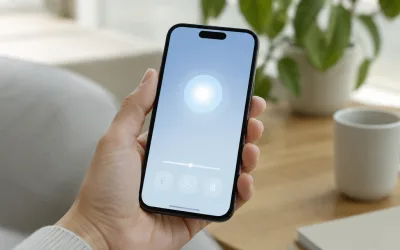
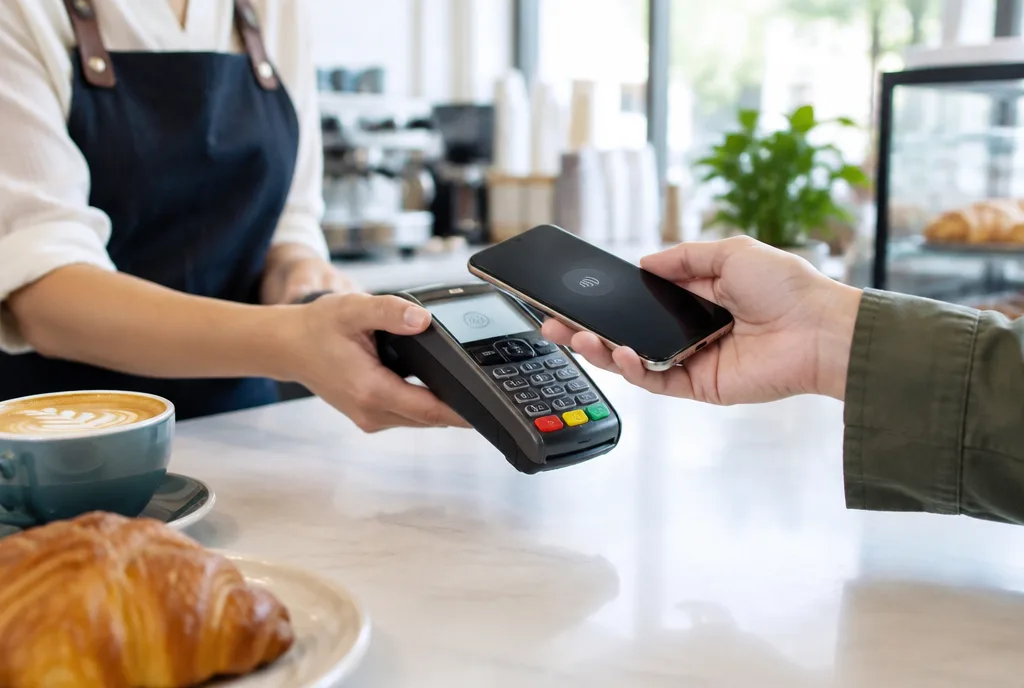
One of today’s most prominent emerging technologies is mobile payments. Services such as Google Wallet, Isis and an upcoming product from PayPal are all competing for a piece of what they believe will be the future of the economy. Yet with many of these products still trying to gain traction, many have openly wondered whether or not mobile payments are really the future.
Although mobile payments are often thought of as a new technology, the truth is that most of the underlying infrastructure for them was put into place over a decade ago. That’s because MasterCard introduced a product called PayPass in 2002. PayPass is a product that many people became familiar with, as its popularity saw a steady increase during the 2000s. While it’s not quite ubiquitous, it turned out to be a pioneering product in contact-free payments and mobile payments. It also helped to usher in today’s state of mobile payments.
In its present state, the mobile payment industry is still in its relative infancy. An estimated 35 million devices featured NFC in 2011, making it difficult for the mobile payment industry to make much of a dent. Those figures look to improve throughout the rest of 2012, as projections have placed sales of NFC-enabled smartphones and other devices at 80 million units. That growth in devices is expected to facilitate a boom in mobile payments. A report from Juniper Research stated that by 2015, annual mobile payments will account for roughly $74 billion of transactions.
Even though the projected $74 billion figure might sound lofty now, there are actually a number of reasons that mobile payments are expected to see such a large boom. Security and convenience are the two critical factors. First, mobile payments based on NFC are simply more secure than debit or credit cards. A stolen phone can be deactivated with relative ease, and the technology used for payments transmitted using them cannot be counterfeited like a credit card can. Second, many consumers find such contact-free payments to be more convenient. It means being able to leave the wallet at home. Even minor pitfalls of the technology have already been overcome. For example, an NFC chip can still communicate using its own power after a phone as died – removing the threat of a drained phone battery preventing users from making purchases.
The support of the companies behind the world’s current payment systems seems like it will be the deciding factor in how successful mobile payments are. With industry heavyweights like MasterCard and Visa embracing different solutions, it appears clear that mobile payments are the future of commerce.
Technology industry events in Massachusetts: where to find them today
The trade association calendars of the 2000s are gone, but the Boston area still runs one of the densest tech event scenes in the world. Where the meetups, conferences and networking nights are listed now.