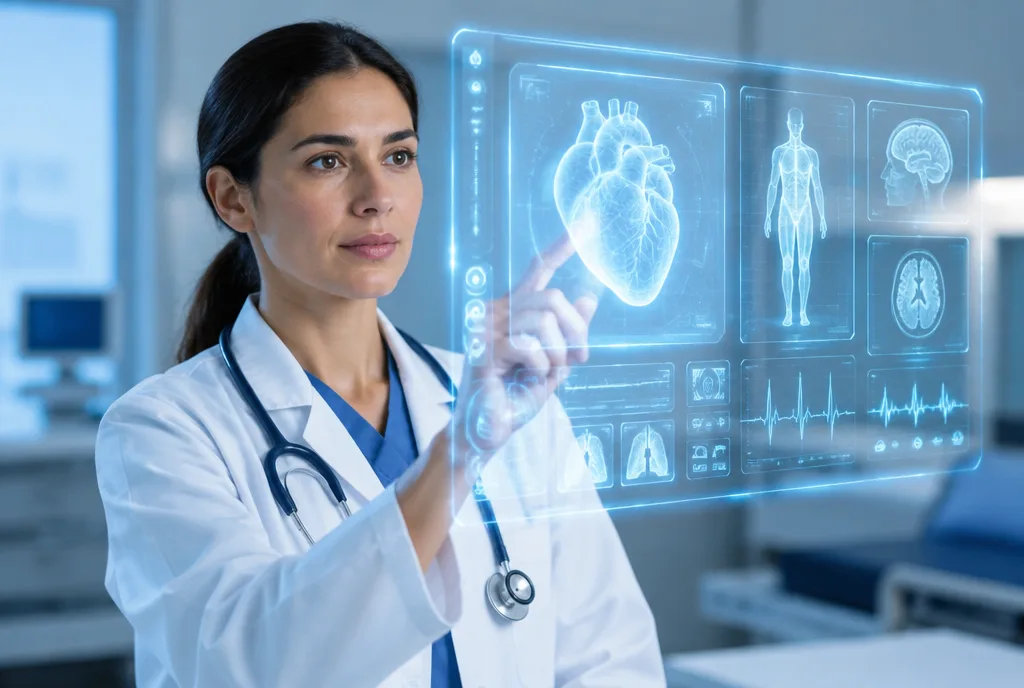
Ten years ago, children in rural villages across India or Africa would have had little access to even the most basic of medicine or doctors. Today, when these children are sick or facing chronic medical conditions, many are able to sit down with some of the best doctors through a process known as telemedicine. This combination of information technology and medicine represents one of a number of trends in the healthcare field expected to bring dramatic breakthroughs over the next decade.
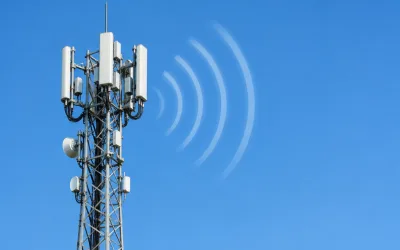
Telemedicine relies on wireless technologies to connect people in remote areas with doctors via webcam. It has emerged not only in rural areas and nations lacking proper healthcare, but also in is American cities to connect school children with doctors. This is seen as one of the fastest growing healthcare technologies worldwide, with market research company Technavio predicting it will grow at close to 20 percent in coming years.
Healthcare experts predict the trend of medicine delivered through modern wireless technology will increase in the form of mobile health, or mHealth. This form of healthcare would deliver medical information through applications on mobile devices like iPhones or tablets. Patients with chronic diseases will be able to use mHealth applications to monitor their vital signs and send updates to medical centers, and people seeking information on medical conditions will be able to match symptoms up with possible causes. Jonathan Linkous, CEO of the American Telemedicine Association, predicted that mHealth has the potential to be a three trillion dollar industry and bring transformative innovations to the healthcare field.
Nanotechnology
Telemedicine may represent the current trend in healthcare, but nanotechnology is considered the future. Known as nanomedicine, this practice uses complex medical devices smaller than a human hair to manipulate body structures. Nanotechnology has already emerged in other markets, like electronics and battery technology, but healthcare experts predict it will play a larger role in medicine over the course of the next decade.
Scientists in the healthcare sector are already finding many uses for nanotechnology, especially in the field of medicine. This technology is used to find more effective ways to distribute drugs throughout the body, and the National Cancer Institute even created the Alliance for Nanotechnology in Cancer to encourage more investment in this area.
Scientists see nanotechnology moving from what they term the “passive stage” to become more active, creating molecular systems that could eventually help regenerate or replace body parts lost to accident or disease. Other predictions for nanotechnolgy border on science fiction. Futurist and researcher Ray Kurzweil predicts that in the near future doctors can use nanotechnology to create units that can travel inside a patient’s body, finding and eliminating disease or correcting deficiencies.