
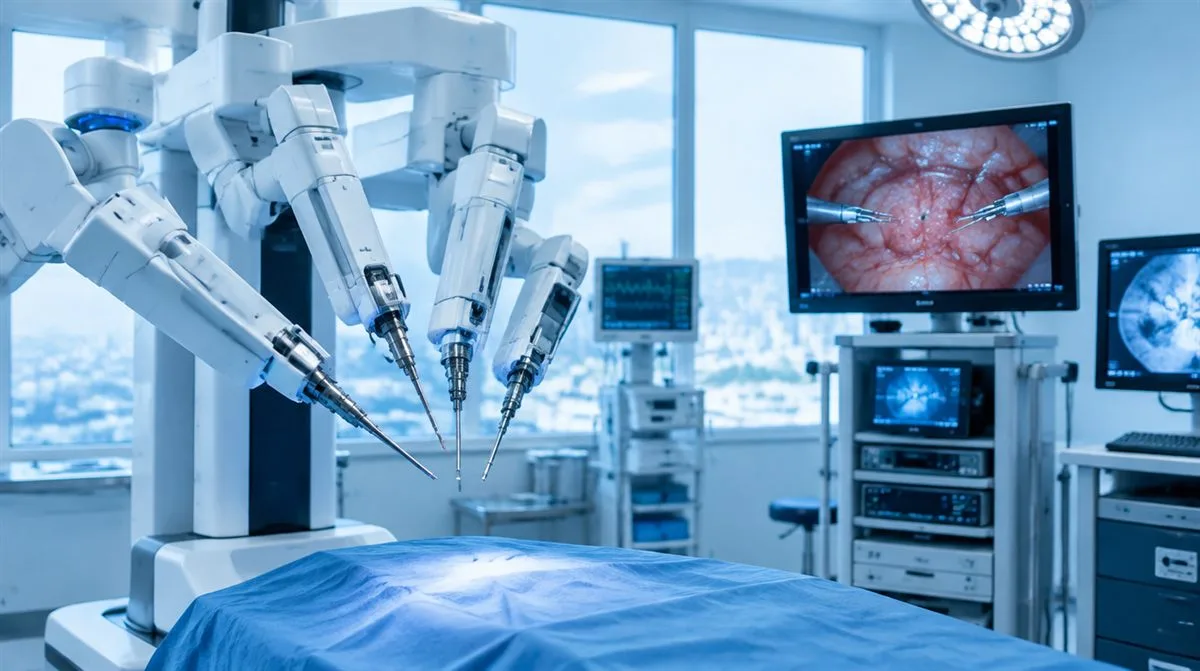
The last decade has seen numerous technological advancements in the field of robotics. Robots are no longer confined to university labs and research facilities; instead, they are being designed and programmed for use in the real world at an increasing rate. Given the usefulness they have already demonstrated in the medical field, robots are now being specifically developed for healthcare assistance both in the hospital and at home.
Hospital Healthcare
As Teachers
There is little room for error in the field of medicine. As such, medical schools have begun employing robots to teach students important healthcare lessons. By interacting with robots programmed to imitate the discomfort and pain felt by real patients, medical students can gain valuable experience regarding diagnoses and treatment. Since these “live” robots can mimic human feelings, they can also help soon-to-be doctors improve on their bedside manner when dealing with sensitive patients.
As Surgeons
Surgeons are now able to utilize robots for assistance during surgery. Robots can make extremely precise incisions, allowing doctors to take on complicated surgeries that were previously impossible. These nifty surgical assistants can make incisions smaller than anything the human hand is capable of doing. Smaller incisions mean shorter surgeries, resulting in a better prognosis for patients, as well as in reduced costs and shorter hospital stays.
Examples of surgical robots include the Da Vinci Si HD Surgical System and the CyberKnife Robotic Radiosurgery System.
Healthcare at Home
As Caretakers
In addition to their use in hospitals, personal healthcare robots are being designed to serve as “nurses,” monitoring and caring for patients in their homes. Specialized robots, such as the Nursebot, are programmed to take care of patients with dementia. Not only do these robots ensure the patient’s safety but also provide comfort to their patients, should they become frightened or disoriented.
Robots such as the Hybrid Assistive Limb 5, fondly known as HAL-5, can provide assistance to the elderly in numerous regards. They can complete household chores and perform heavy lifting, thereby reducing the chance of injury in older patients living at home. Because these robots are able to provide patient care, safety, comfort and assistance in the home, patients will no longer be confined to live out their days in hospitals and nursing homes.